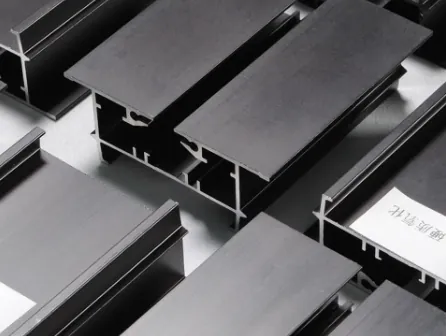
5083 VS 5052 For Aluminum Extrusions: How Do They Compare?

I used to think all marine-grade aluminum alloys were about the same—until I worked on a ship hull project. Choosing the right alloy changed everything.
5083 offers higher strength and seawater resistance, while 5052 is easier to bend and form—both are great, but for different reasons.
Let’s look at their performance in aluminum extrusions and help you decide what fits your application best.
How do 5083 and 5052 alloys compare in extrusions?
Both 5083 and 5052 are non-heat-treatable aluminum-magnesium alloys. They are often used in marine and structural applications. But they have key differences in strength, formability, and corrosion behavior.
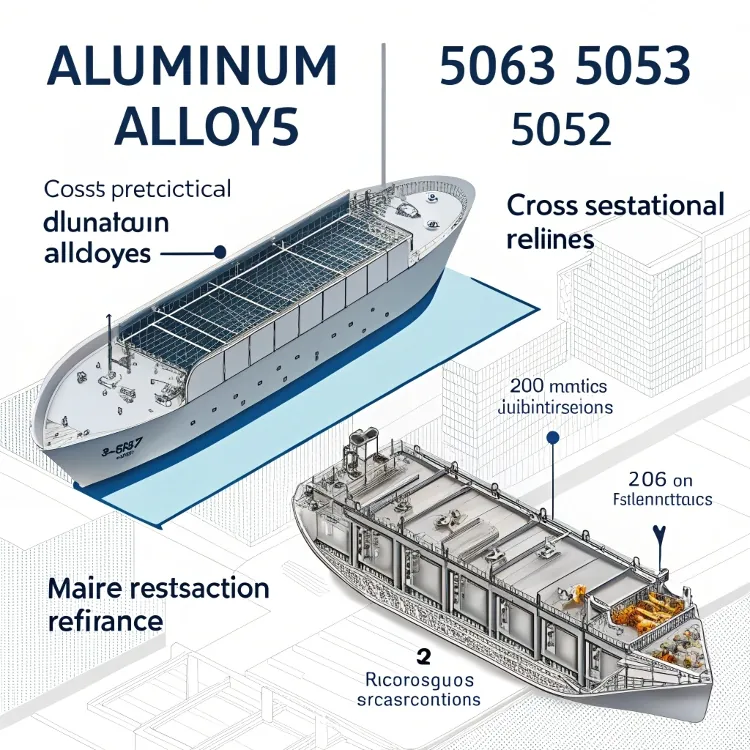
Alloy Composition and Key Traits
| Property | 5052 | 5083 |
|---|---|---|
| Magnesium (Mg) | ~2.2–2.8% | ~4.0–4.9% |
| Manganese (Mn) | ~0.1% | ~0.4–1.0% |
| Strength | Medium | High |
| Formability | Excellent | Moderate |
| Weldability | Excellent | Excellent |
| Extrusion Use | Thin-walled, complex | Thick, structural profiles |
5052 is easier to extrude and shape, especially when tight curves or intricate cross-sections are needed. 50831 is better for thick, structural shapes that carry loads or resist stress.
5052 aluminum has more magnesium than 5083.False
5083 contains significantly more magnesium, contributing to higher strength and corrosion resistance.
Both 5052 and 5083 are excellent for welding and extrusion.True
They are both non-heat-treatable but have good weldability and are commonly used in extrusion.
Which alloy is stronger for structural profiles?
I tested both in real load-bearing applications. The results speak clearly.
5083 is stronger in both yield and ultimate tensile strength—making it ideal for structural aluminum extrusions.
Mechanical Properties Comparison
| Property | 5052-H32 | 5083-H32 |
|---|---|---|
| Tensile Strength | ~228 MPa | ~330 MPa |
| Yield Strength | ~193 MPa | ~240 MPa |
| Fatigue Strength | ~120 MPa | ~160 MPa |
5083 outperforms 5052 by:
- ~45% more tensile strength2
- ~25% higher yield strength
- ~33% better fatigue resistance
That’s why I prefer 5083 for beams, supports, and marine framing.
5052 is the stronger alloy between the two.False
5083 has significantly higher tensile and fatigue strength.
5083 aluminum has better fatigue resistance than 5052.True
5083 offers about 33% higher fatigue strength.
What corrosion resistance differences exist?
Both alloys resist corrosion well—but there’s a winner in seawater.
5083 resists corrosion better, especially in saline and marine environments.
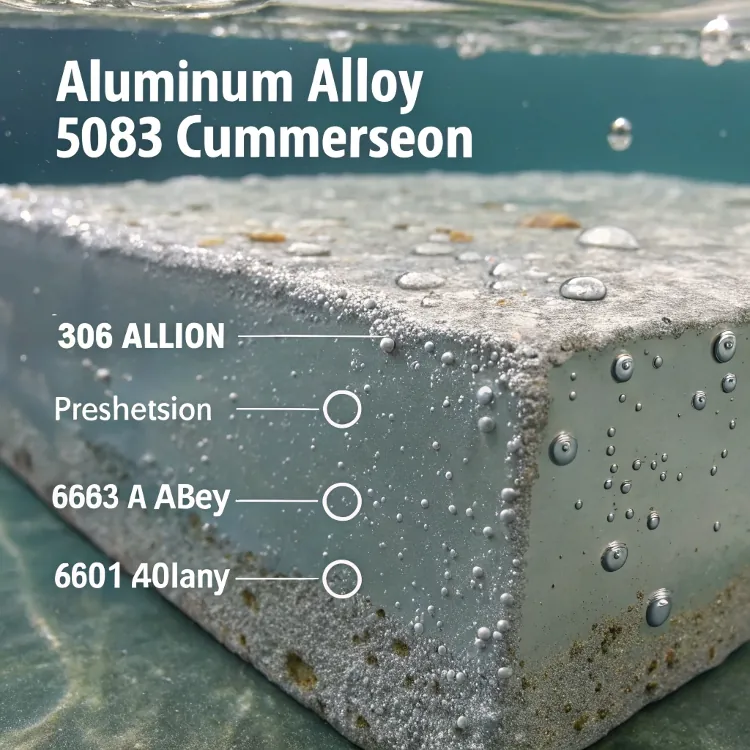
Corrosion Resistance Factors
5052:
- Very good resistance in neutral or mildly corrosive environments
- Suitable for atmospheric and fresh water exposure
- Excellent for above-water marine parts
5083:
- Excels in salt water and harsh chemicals
- Higher Mg and Mn content boosts marine corrosion performance3
- More resistant to stress-corrosion cracking
| Feature | 5052 | 5083 |
|---|---|---|
| Saltwater Resistance | Good | Excellent |
| Atmospheric Use | Excellent | Excellent |
| Stress Corrosion | Fair | Better |
5083 has stronger corrosion resistance in seawater than 5052.True
It performs better due to its higher magnesium and manganese content.
5052 is recommended for underwater marine parts over 5083.False
5083 is preferred for submerged or high-salinity environments.
Which alloy is better for marine applications?
I’ve used both in boats and docks. The difference in field performance is obvious over time.
5083 is better for hulls and underwater use, while 5052 works well for decks, trim, and superstructures.
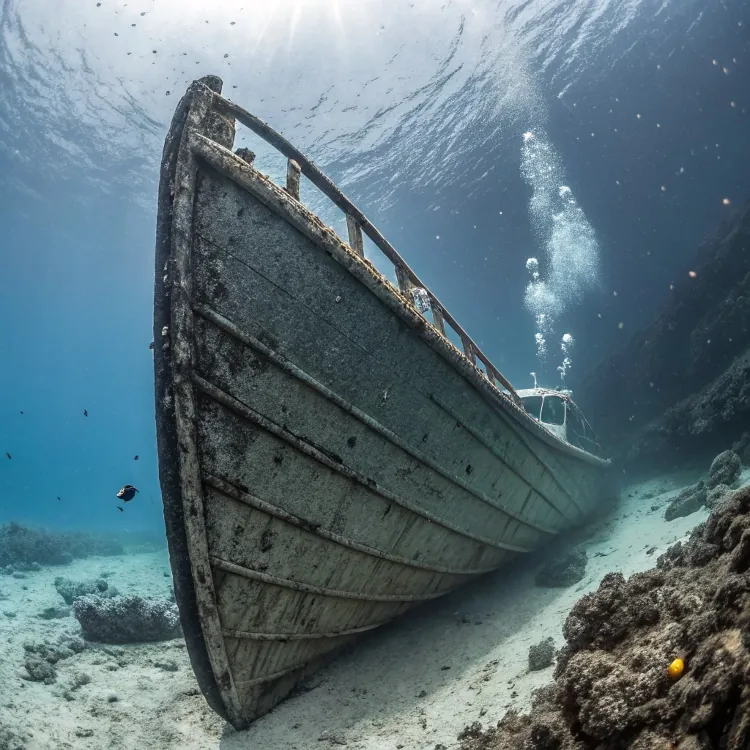
Use Case Comparison
| Marine Component | Recommended Alloy | Reason |
|---|---|---|
| Hulls and keels | 5083 | Higher strength, better seawater resistance |
| Deck panels and cabins | 5052 | Easier to form, weld, and install |
| Underwater structures | 5083 | Superior durability in saltwater |
| Above-water fittings | 50524 | Lighter and more cost-effective |
5083 may be tougher to shape and bend, but it delivers strength and corrosion resistance when it matters most.
5052 is the top choice for complex-shaped marine panels above water.True
Its high formability makes it great for trim, decks, and non-load areas.
5083 is preferred for marine hulls due to its lower strength.False
5083 is chosen for hulls because of its higher strength and seawater resistance.
Conclusion
Choose 5083 for structural strength and full marine exposure. Go with 5052 when formability, ease of fabrication, or weight savings are key. They both shine—when used where they fit best.
-
Exploring this resource will provide in-depth insights into the strength and applications of 5083 alloy, crucial for structural uses. ↩
-
Learn why tensile strength is vital for ensuring safety and reliability in structural engineering projects. ↩
-
Discover the role of alloying elements in corrosion resistance, which can inform better material choices for your projects. ↩
-
Learn why 5052 alloy is favored for decks and superstructures due to its ease of use and cost-effectiveness, making it ideal for above-water applications. ↩